
The Price of a Missile: How Defence Stocks Profit from War
Every major geopolitical conflict creates economic disruption — but it also creates sectors that benefit financially from rising military activity. One of the most consistent beneficiaries has historically been the global defence industry. Following the escalation of the US–Israel–Iran conflict in 2026, alongside continuing instability in the Red Sea, defence-related stocks significantly outperformed broader markets. The reason lies in how modern defence companies generate revenue during periods of geopolitical tension.
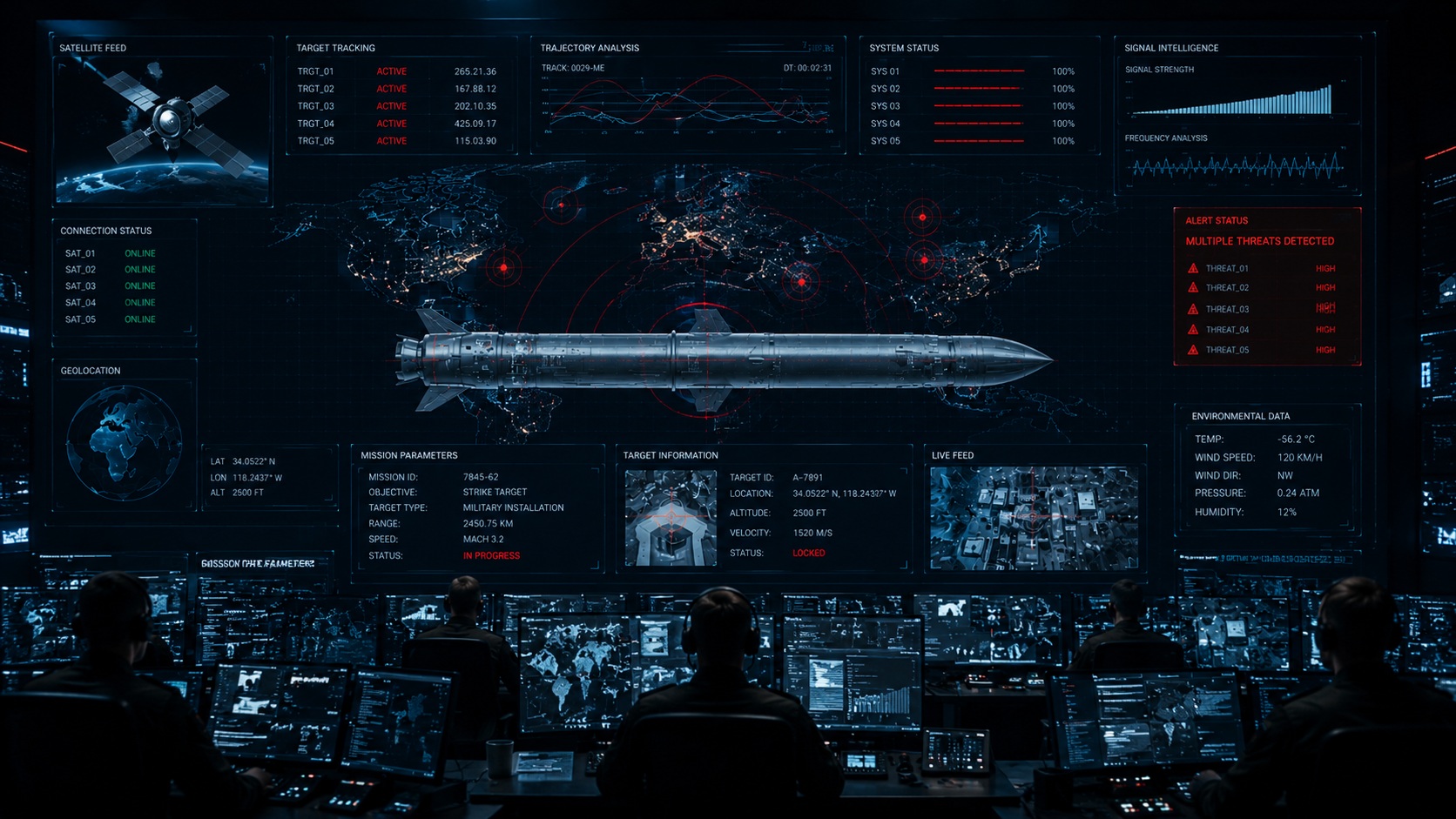
Arsenal of Capital: How Geopolitical Conflict Drives the Defence Sector
Every major geopolitical conflict creates economic disruption—but it also creates sectors that benefit financially from rising military activity. One of the most consistent beneficiaries has historically been the global defence industry.
Following the escalation of the US–Israel–Iran conflict in early 2026, alongside continuing instability in the Red Sea, defence-related stocks significantly outperformed broader markets. The reason lies in how modern defence companies generate revenue during periods of geopolitical tension.
How Defence Companies Earn During Conflict
Military contractors do not profit directly from warfare itself. Instead, their revenues come from highly structured government procurement contracts—long-term agreements covering:
- Weapons systems (naval vessels, combat vehicles, and aircraft)
- Ammunition and artillery rounds
- Missile defence infrastructure and interceptors
- Surveillance technology (radar, satellites, and drone systems)
- Logistics and maintenance support
When conflicts intensify, governments rapidly consume existing military stockpiles and are forced to replenish them through emergency orders. At the same time, geopolitical threats often push countries to increase long-term defence budgets, creating a second wave of spending that can last for years.
Market Reaction in 2026
After the outbreak of conflict in February 2026, major defence companies rallied sharply, significantly outpacing the broader equity markets.
Key Industrial Performers
- RTX Corporation: The producer of Patriot missile systems and Tomahawk cruise missiles saw strong gains as air and naval defence systems were heavily utilized during the escalation.
- Lockheed Martin: Benefited from increased global expectations around fighter jet programs (like the F-35) and advanced precision-guided munitions.
- Northrop Grumman & BAE Systems: Both outperformed the S&P 500 as investors anticipated a prolonged, multi-year wave of procurement demand.
The Ammunition Problem and Supply Chain Bottlenecks
One of the biggest lessons from recent conflicts has been the staggering scale at which modern warfare consumes advanced munitions.